EV docking and charging system
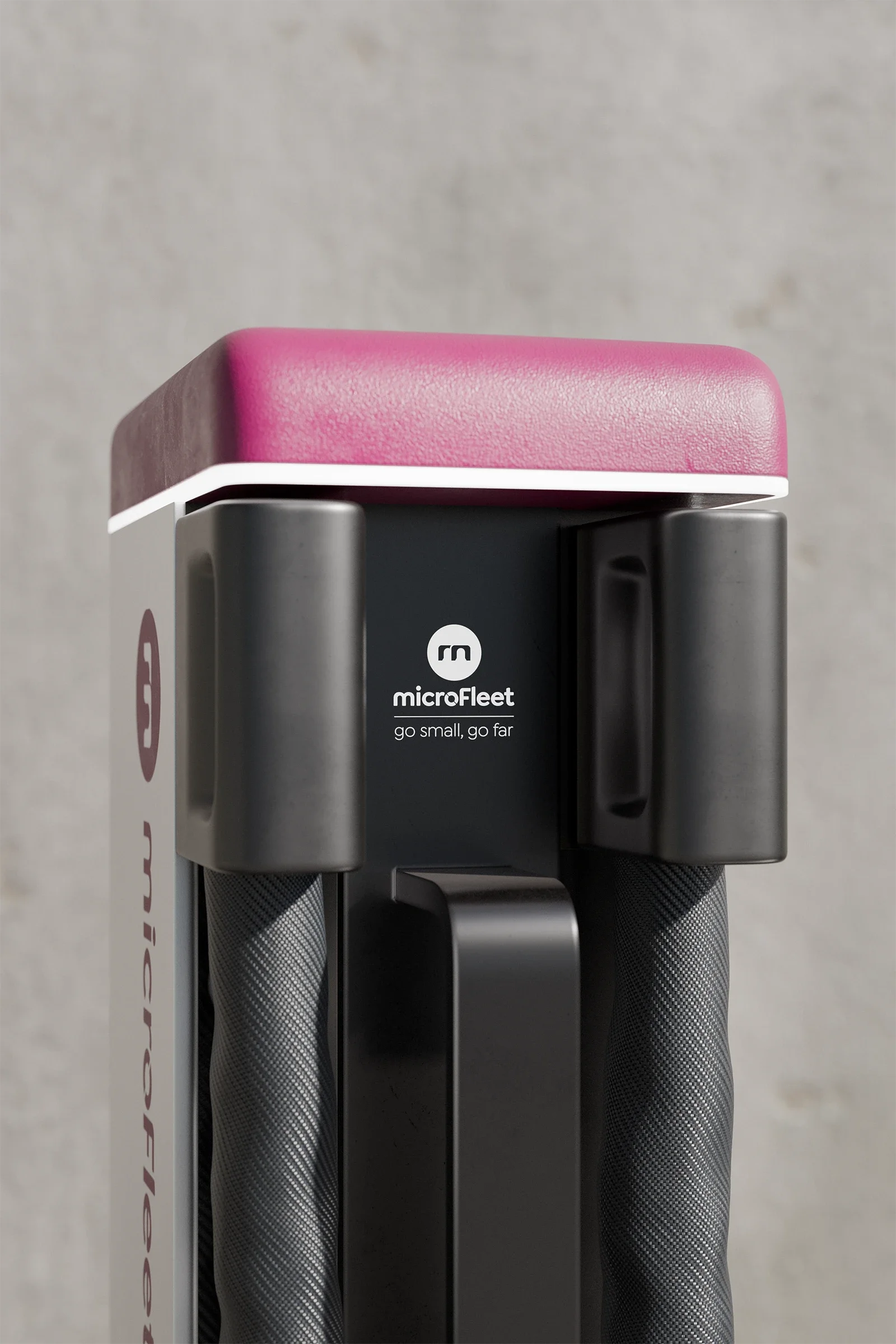
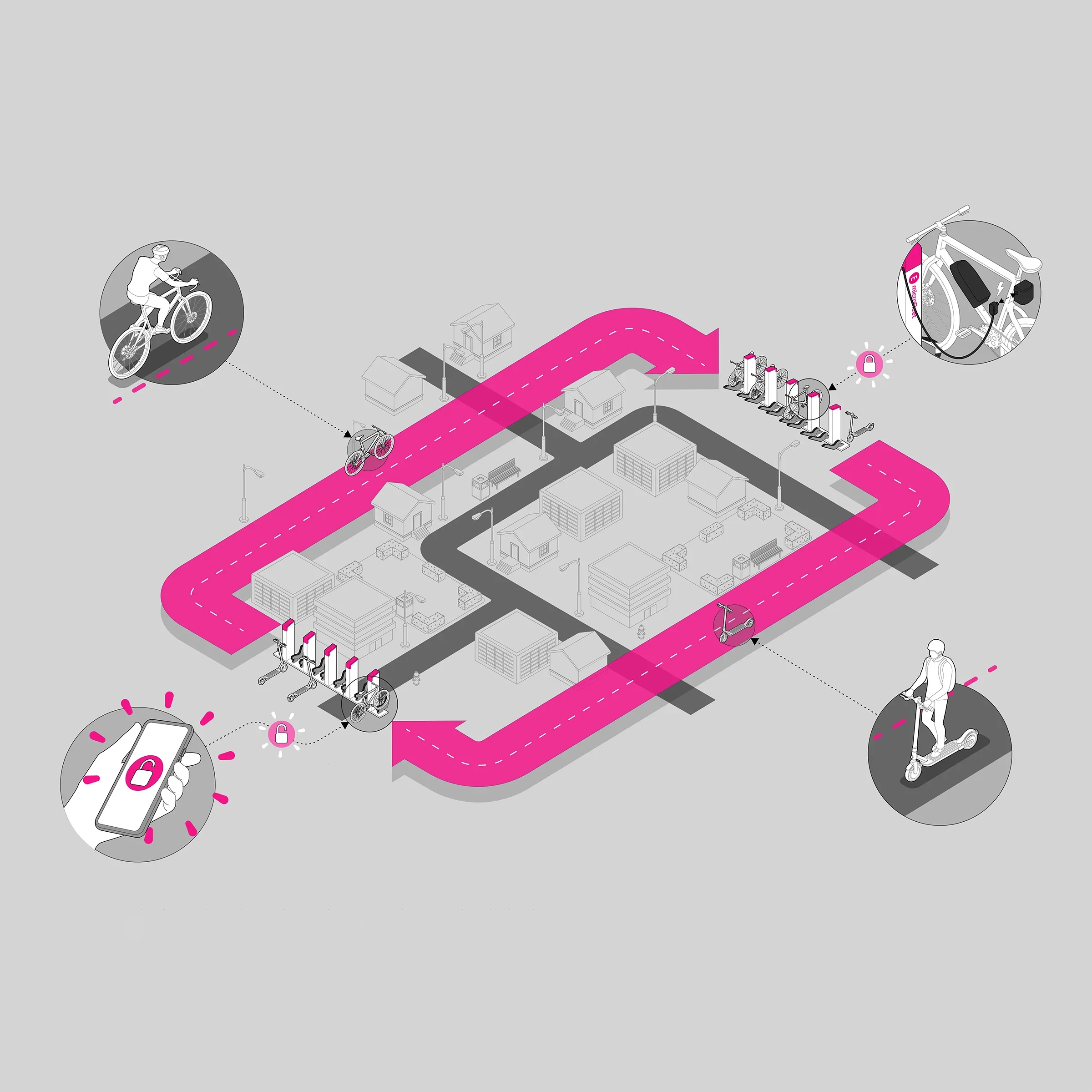
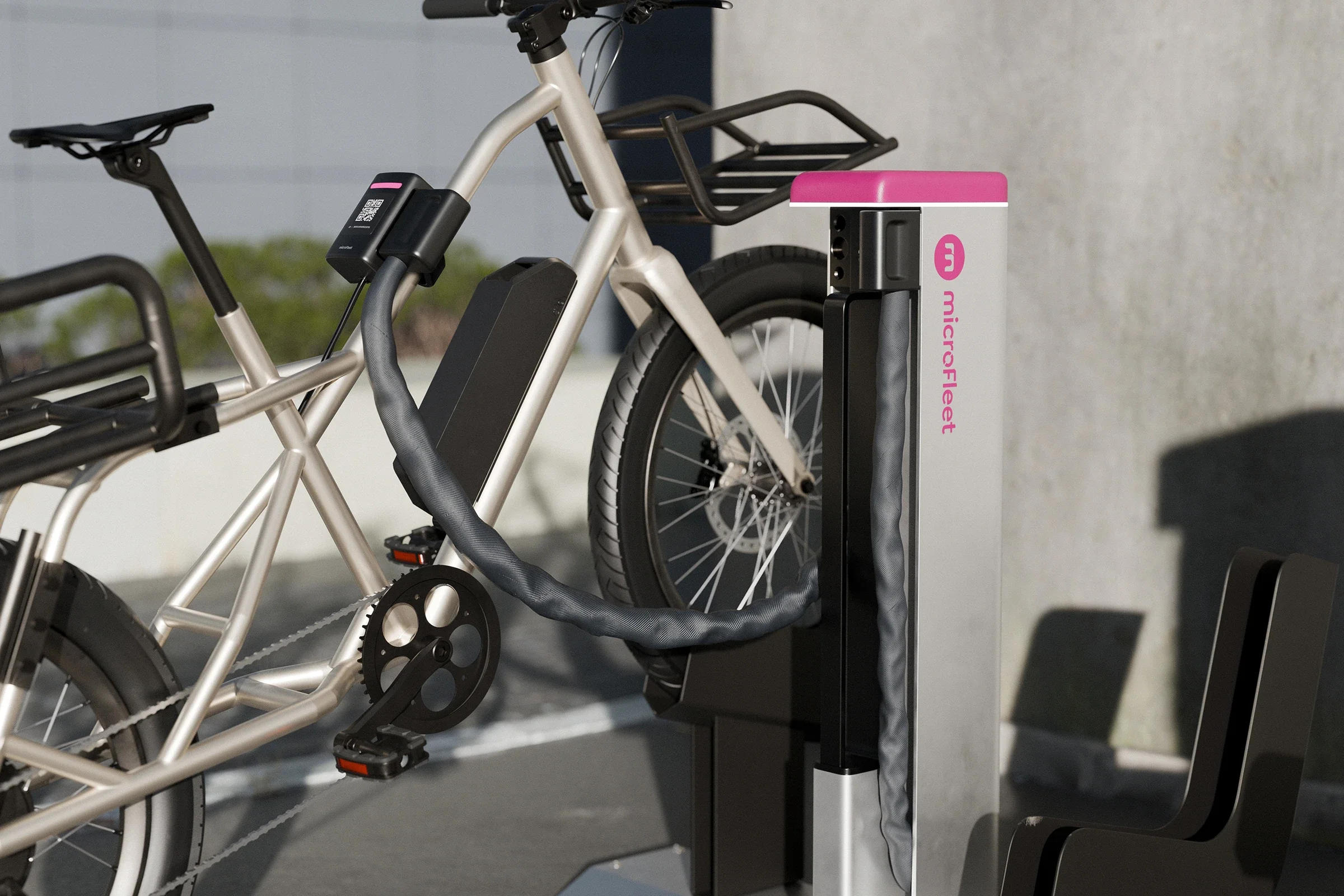
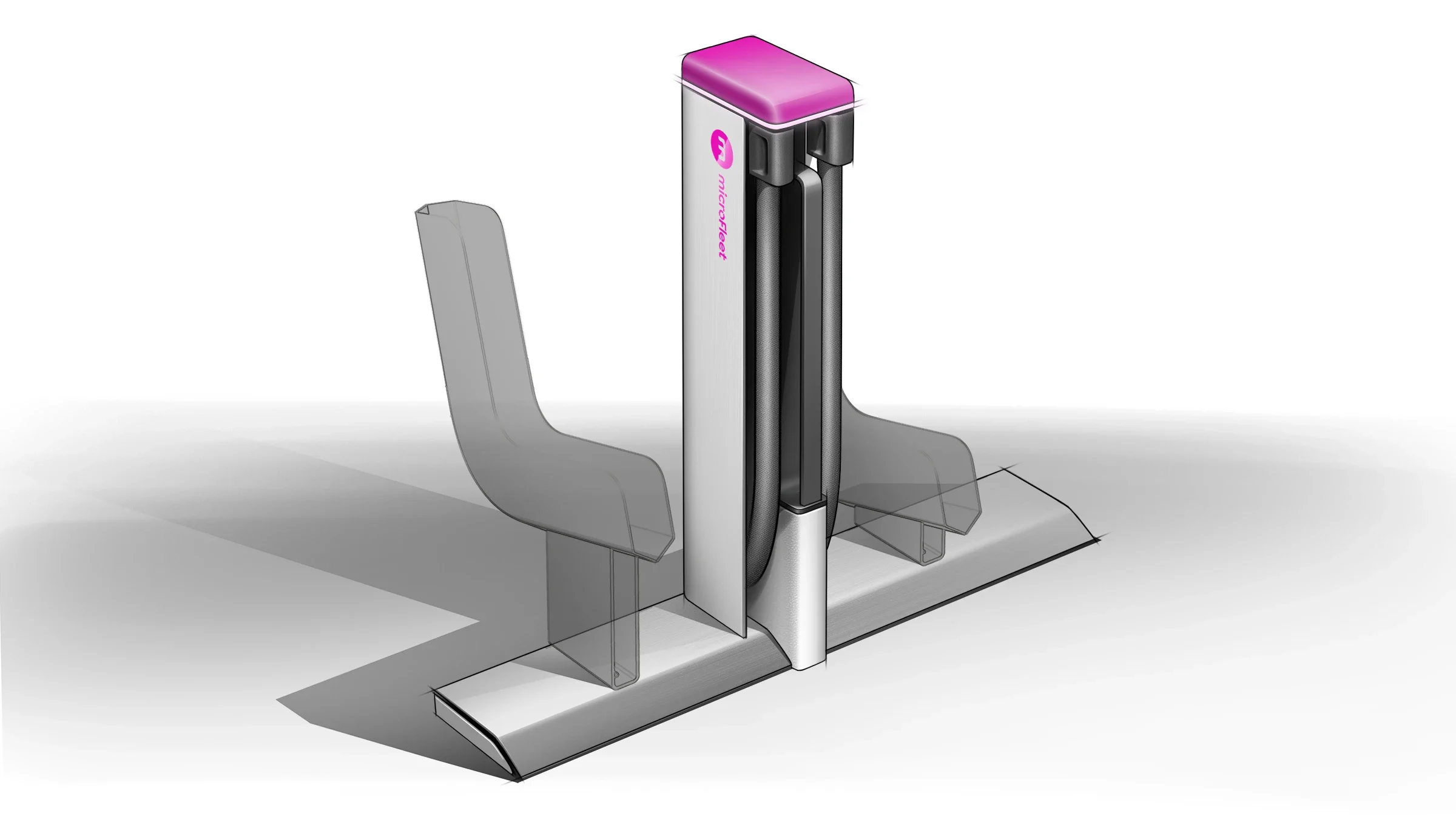
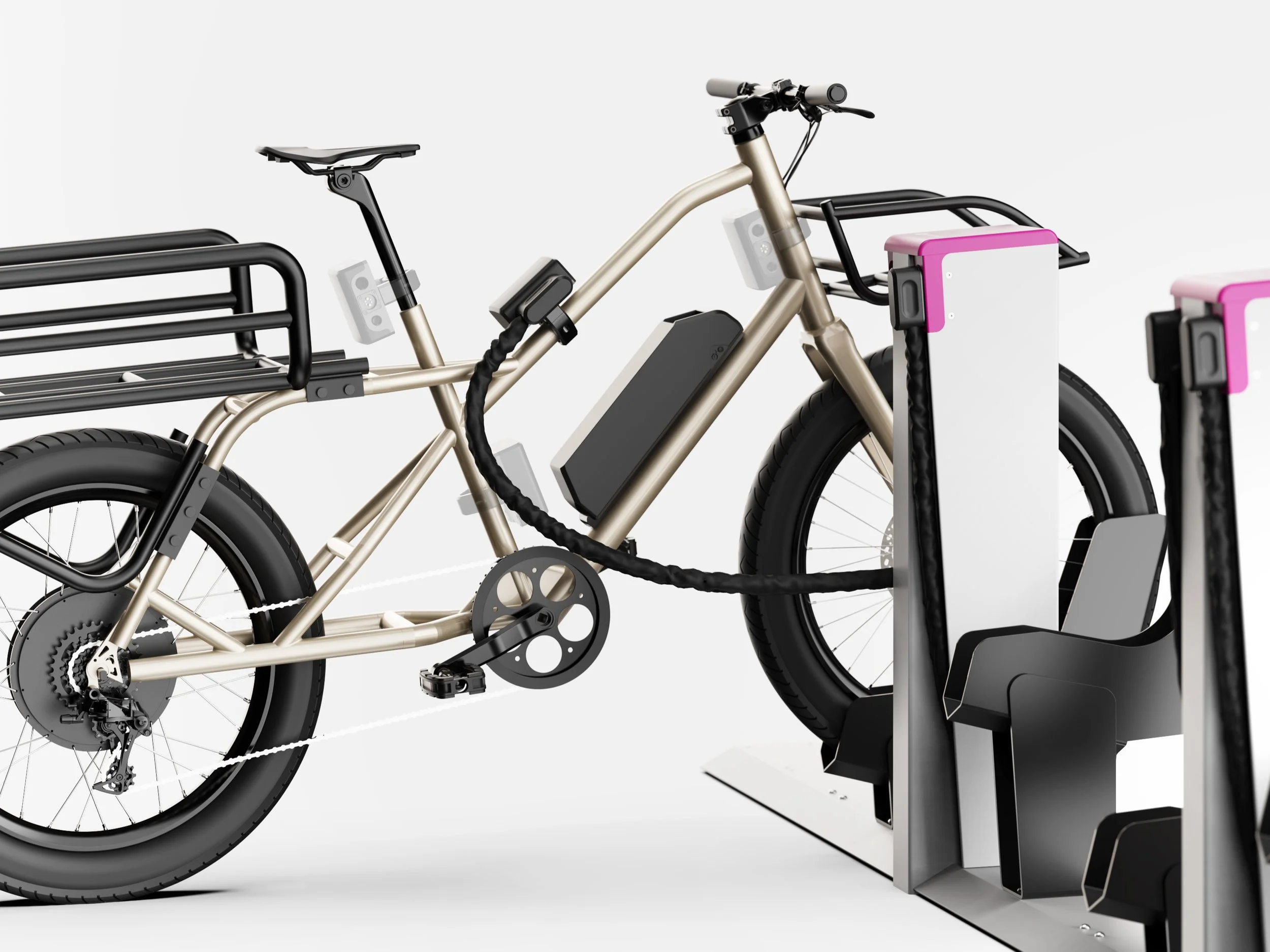
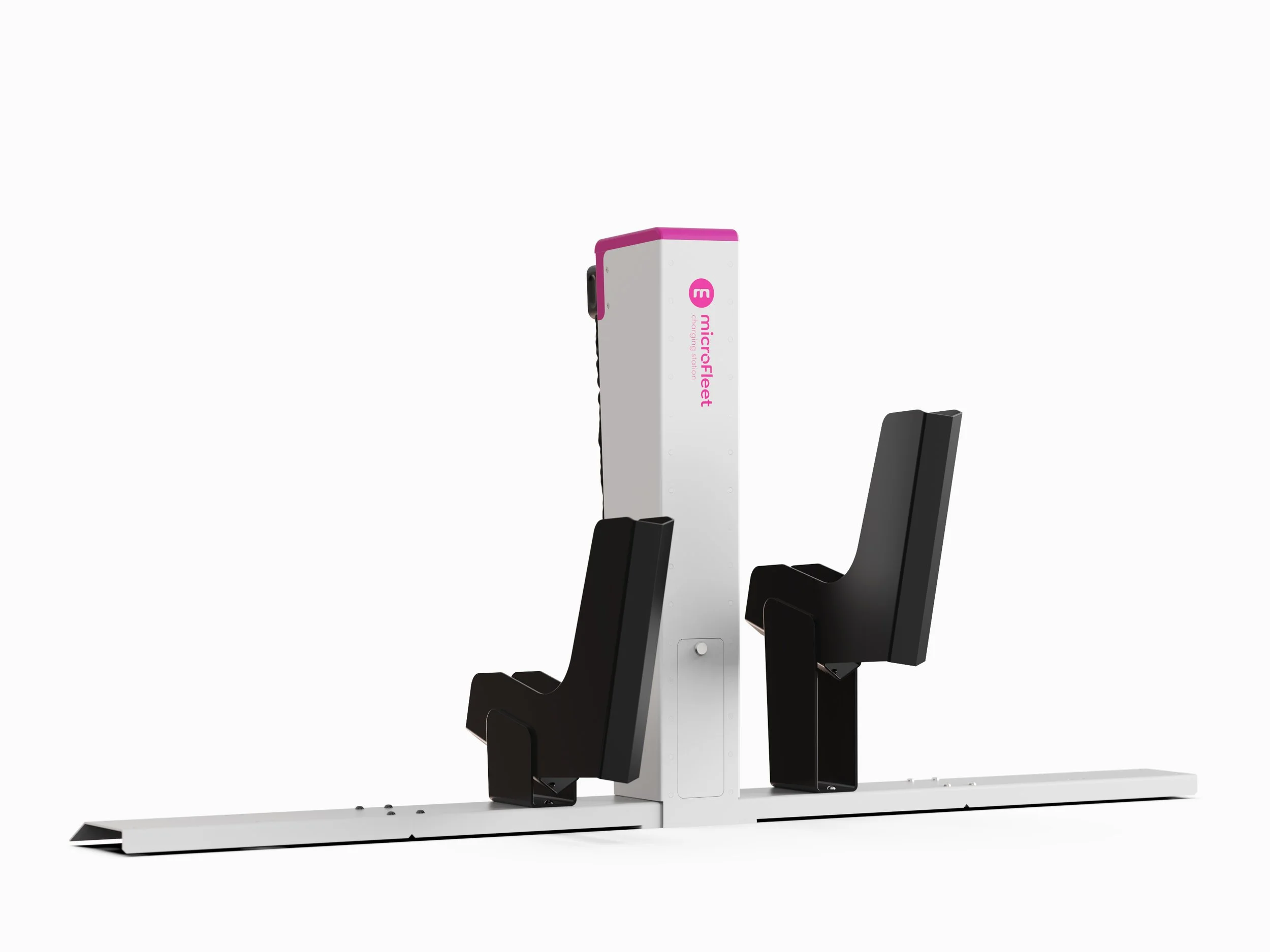
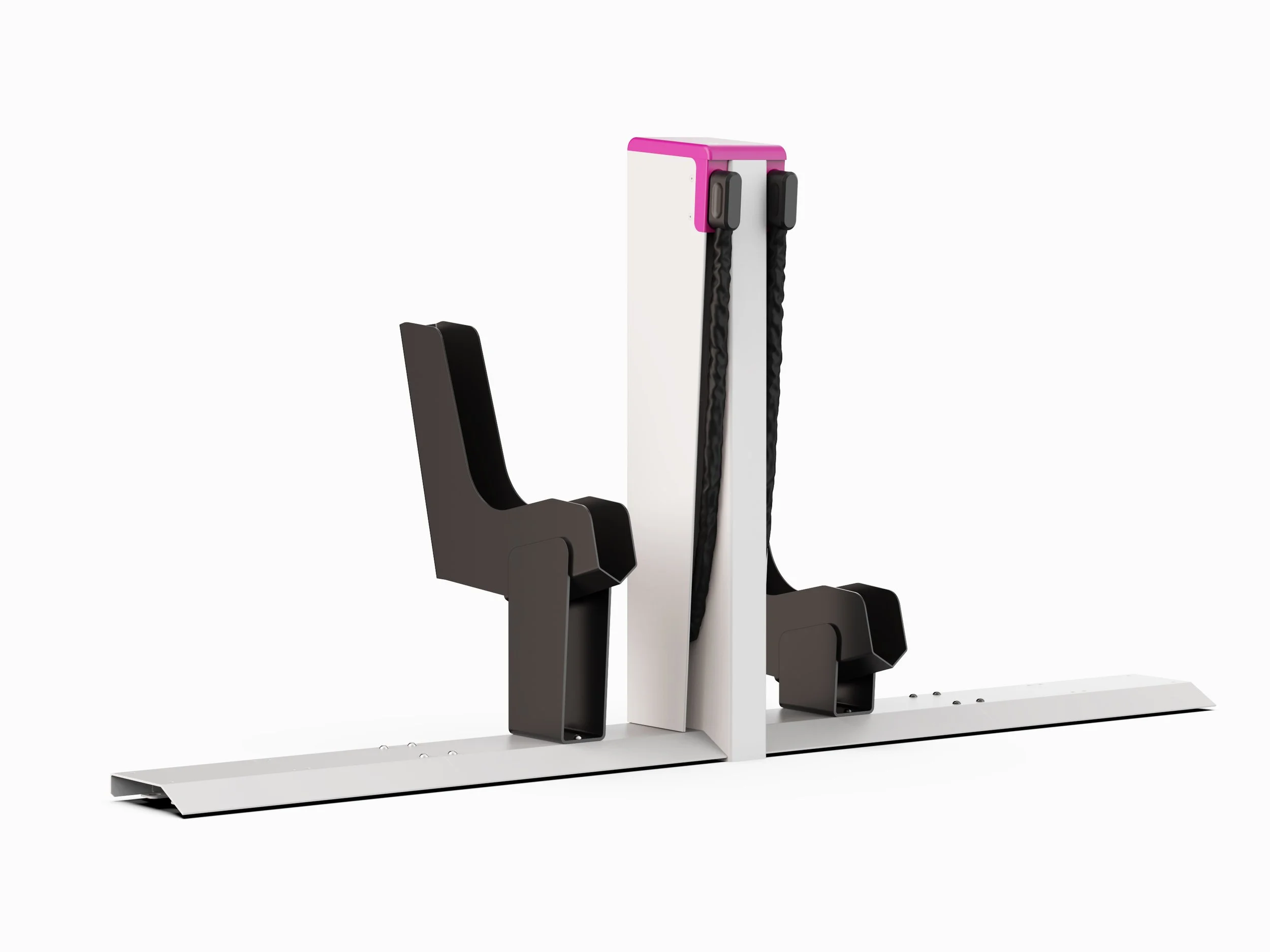
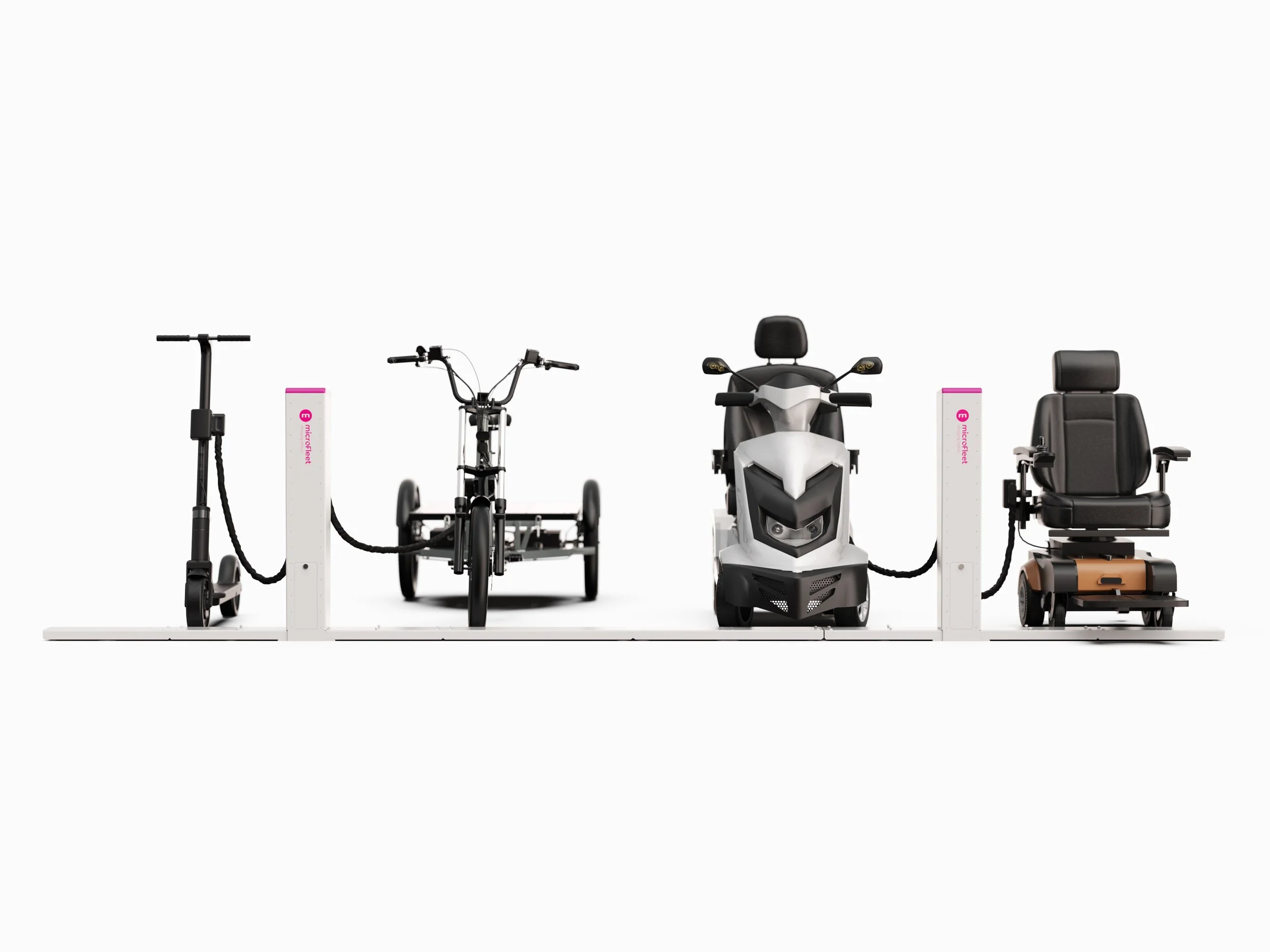
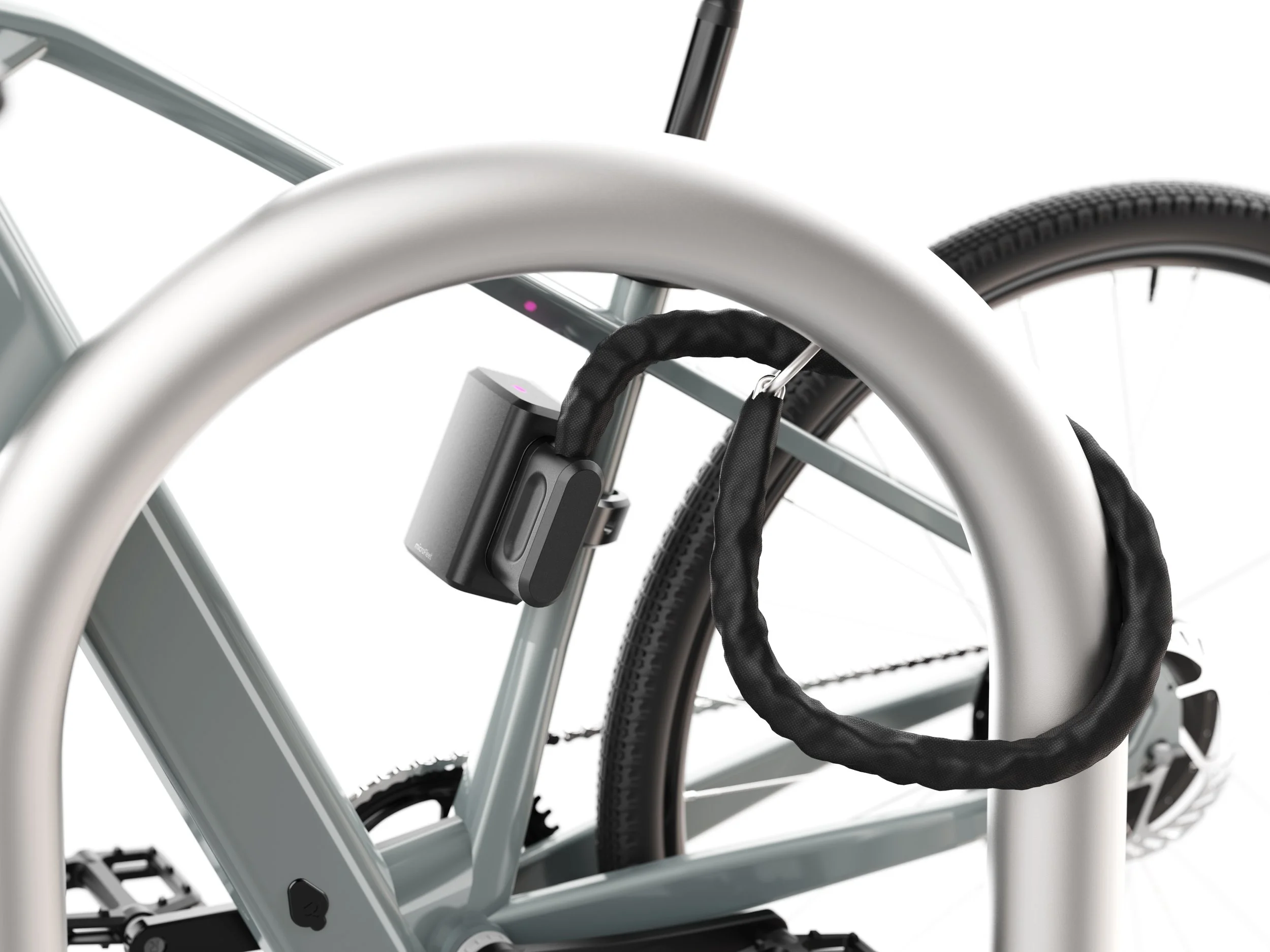
Microfleet set out to create OneDock, a secure EV docking, charging and locking system for shared-use electric vehicles, including bikes, trikes, and scooters, designed for installation in public spaces. Unlike existing micromobility docks, OneDock needed to be durable, connected, and easy to use, providing reliable charging and locking in all weather conditions while integrating seamlessly with fleet management networks.
The approach:
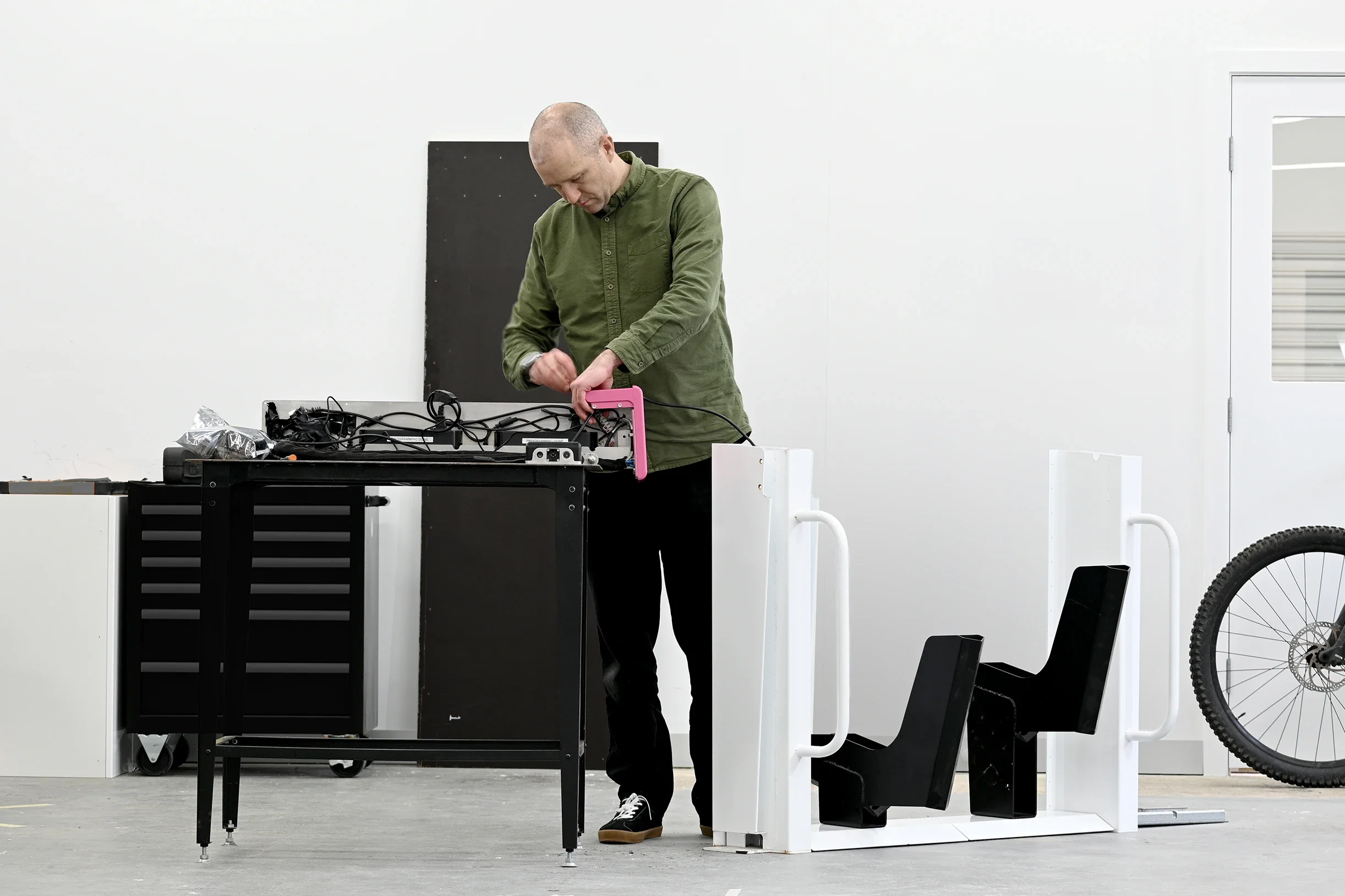
Outerspace and Gomotiv partnered with Microfleet from early development through to late alpha deployment. Our multidisciplinary team delivered mechanical, electronic, firmware, and industrial design, working alongside Microfleet’s software and business teams to shape a scalable, field-ready product. The result is a smart public infrastructure system that enables secure parking, charging, and data-driven fleet operation for next-generation electric mobility.
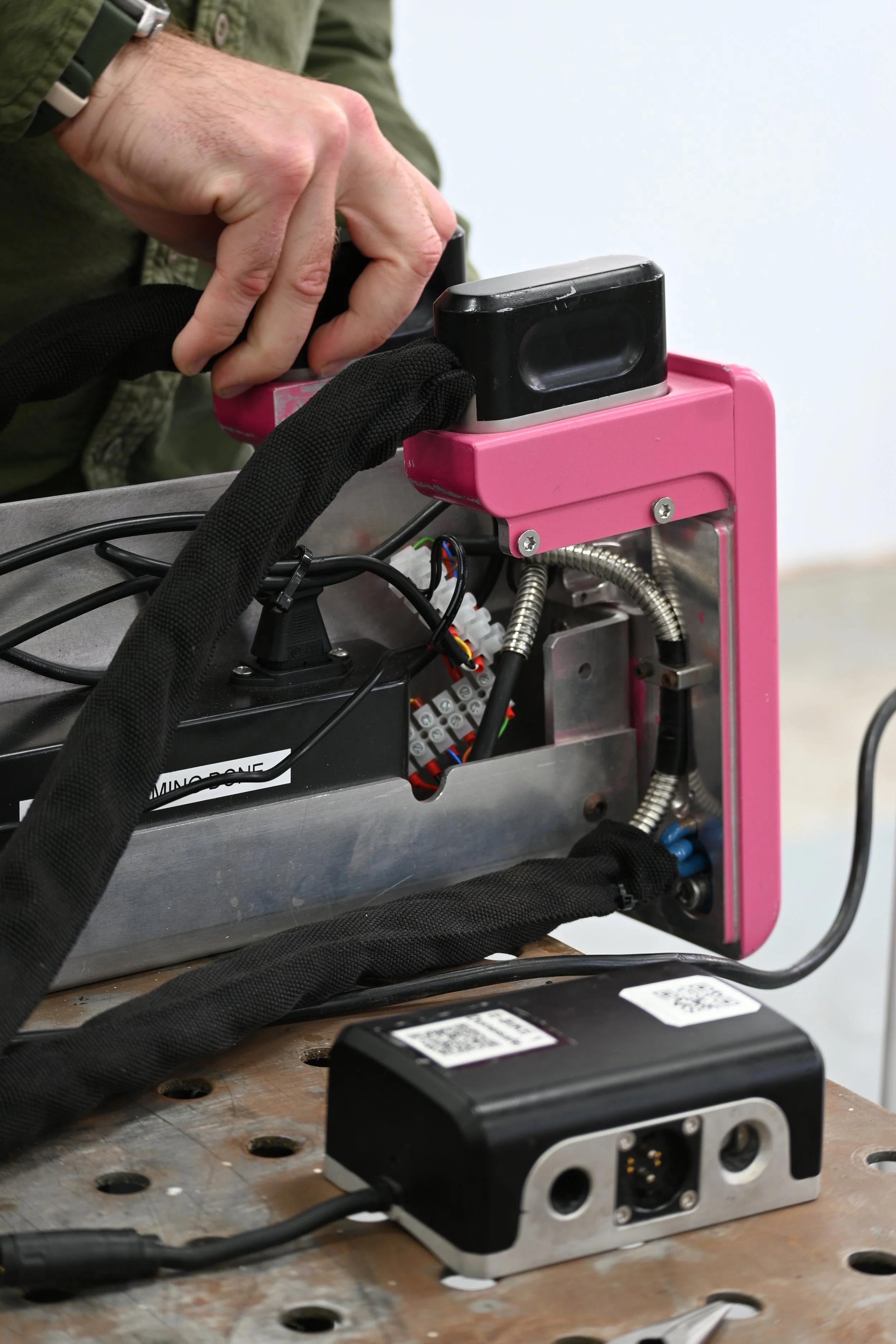
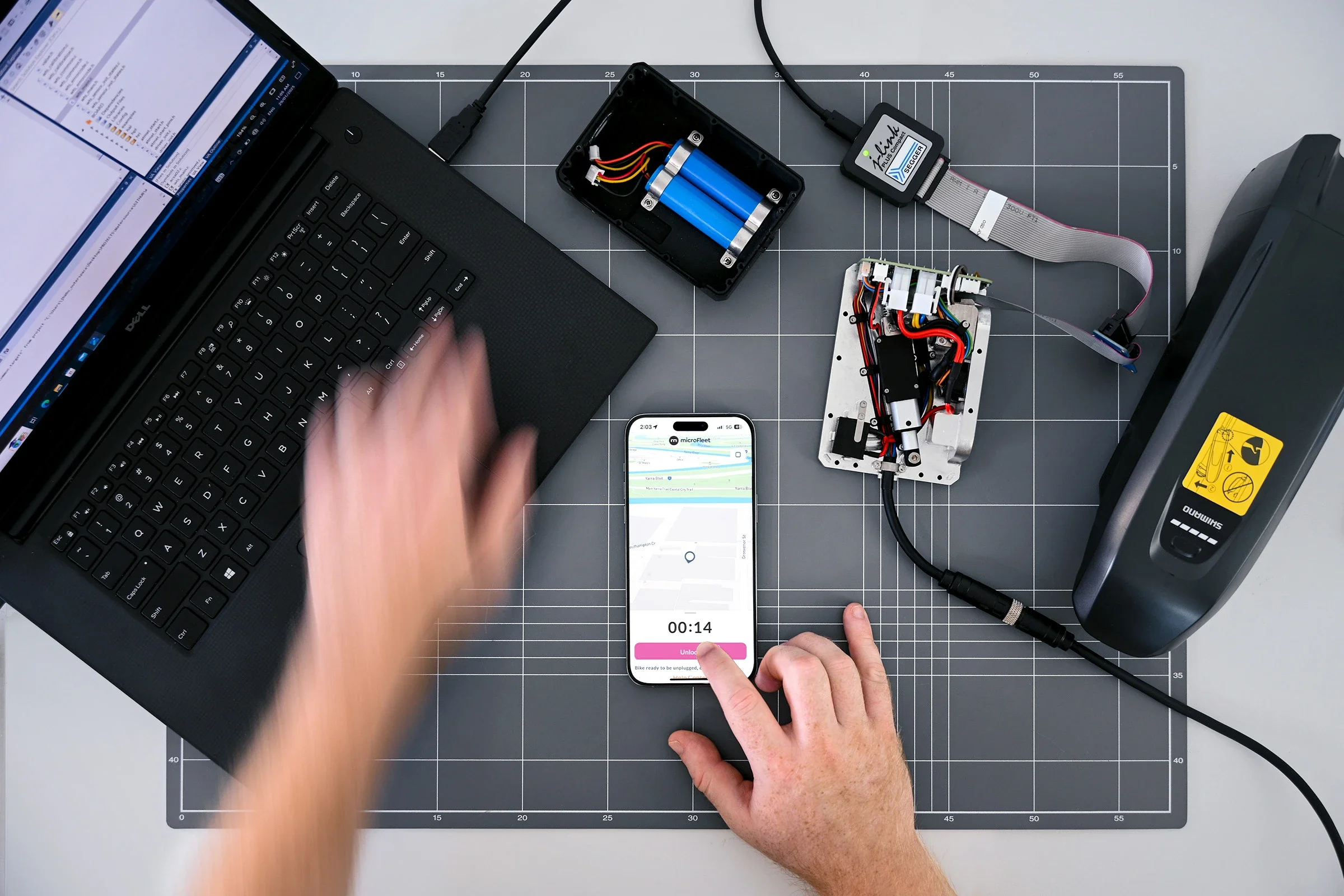
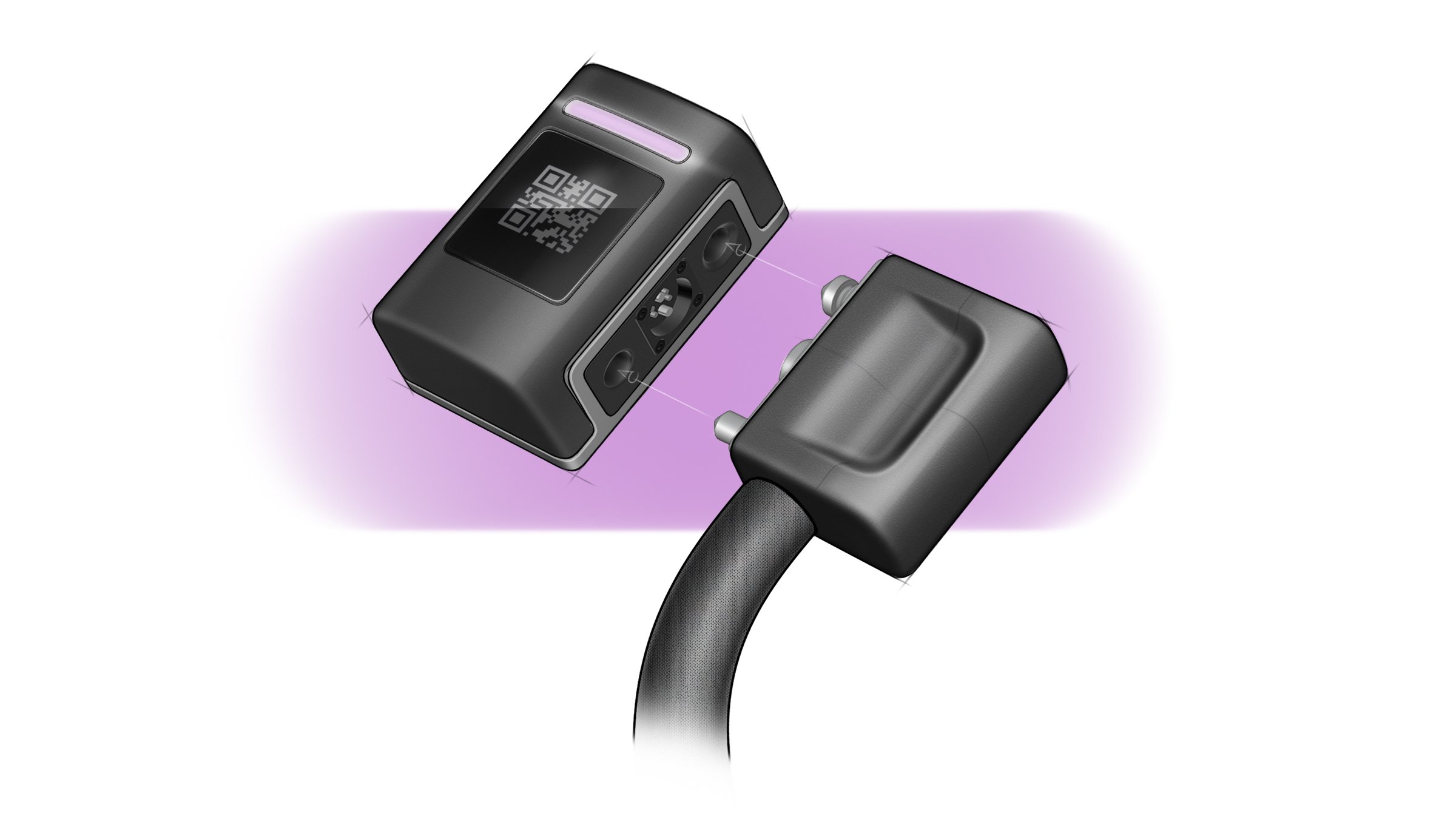
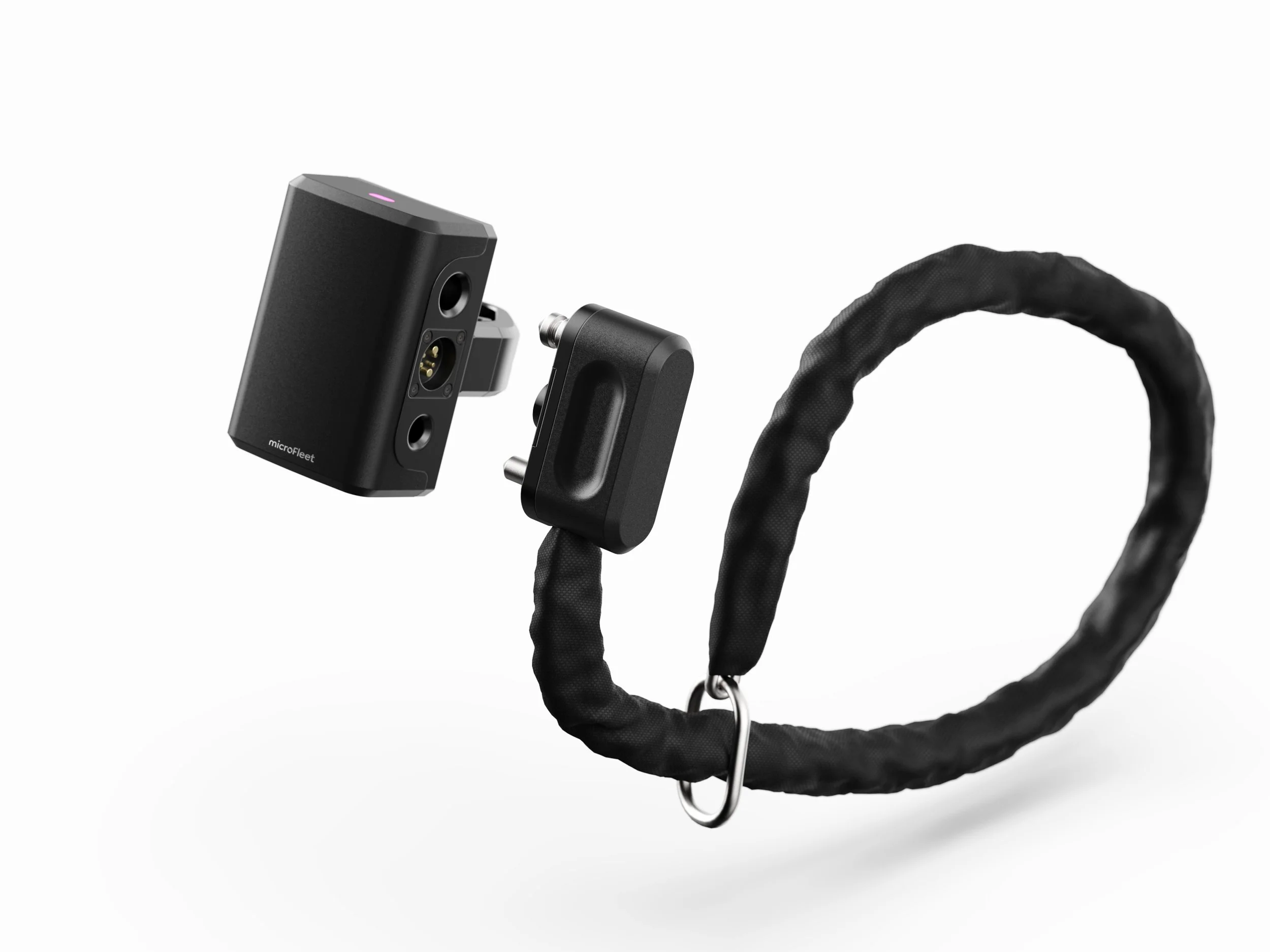
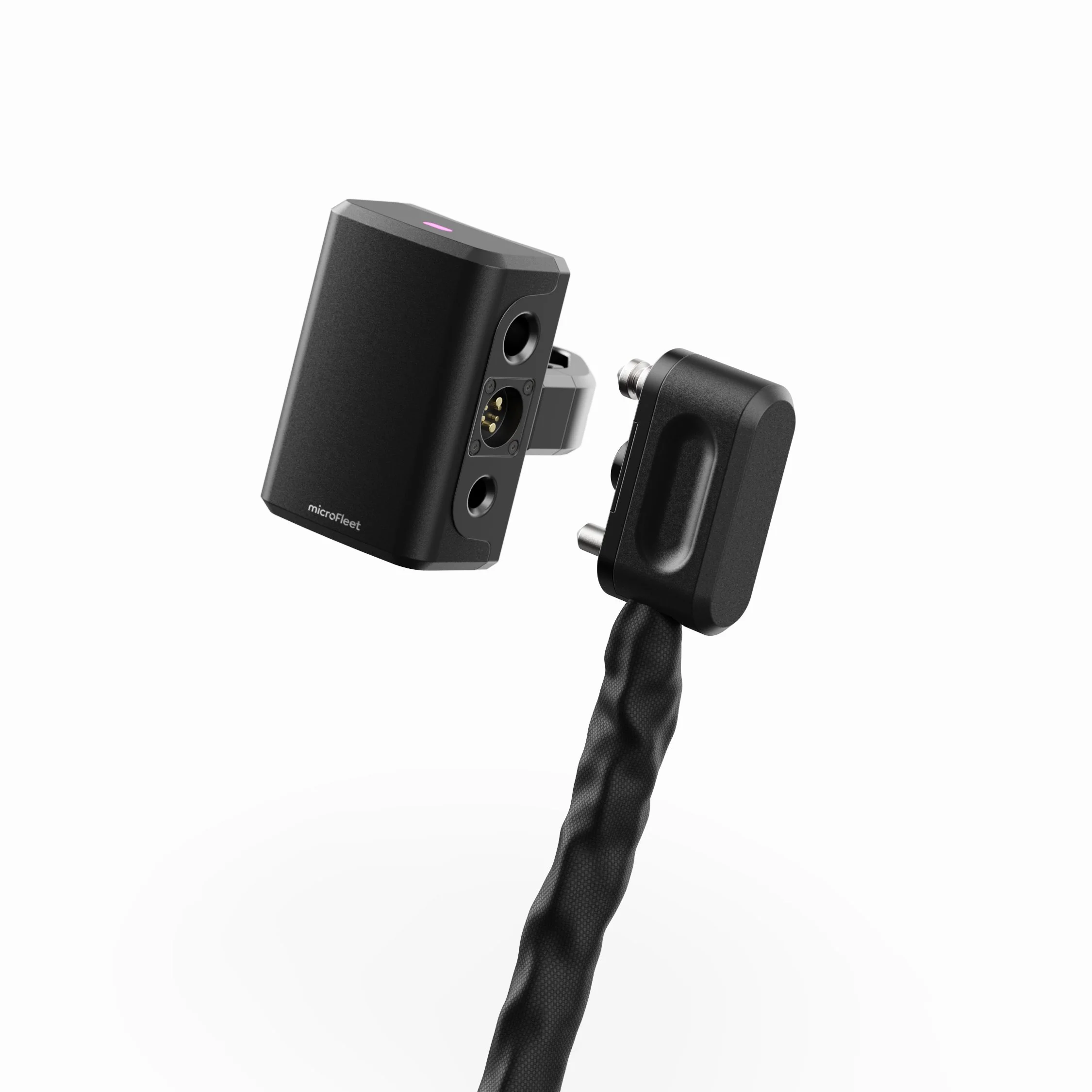
The design of OneDock required tight integration of hardware, firmware, and industrial design. Outerspace’s mechanical engineers developed a rugged latching system capable of thousands of cycles in outdoor conditions, focusing on ingress protection, tolerance to debris, and mechanical safety. The electronics team designed a custom control board that interfaces with an IoT module, handling power management, peripheral control, and communication across multiple network protocols.
The outcome:
On the firmware side, Outerspace defined and implemented the complete system workflow, mapping every operational state and handling extensive edge cases such as incomplete locking, charging faults, or lost connectivity. This ensured the system remained safe and reliable under continuous outdoor operation. Late-stage alpha systems were deployed in public environments for field trials, validating durability, network integration, and firmware reliability in real-world conditions.
Beyond engineering delivery, Outerspace acted as a strategic partner to Microfleet, advising on funding, marketing, and feature prioritisation, and supporting liaison with international suppliers and stakeholders. The collaboration produced not just a technically strong product, but a commercially viable platform for the future of connected micromobility.