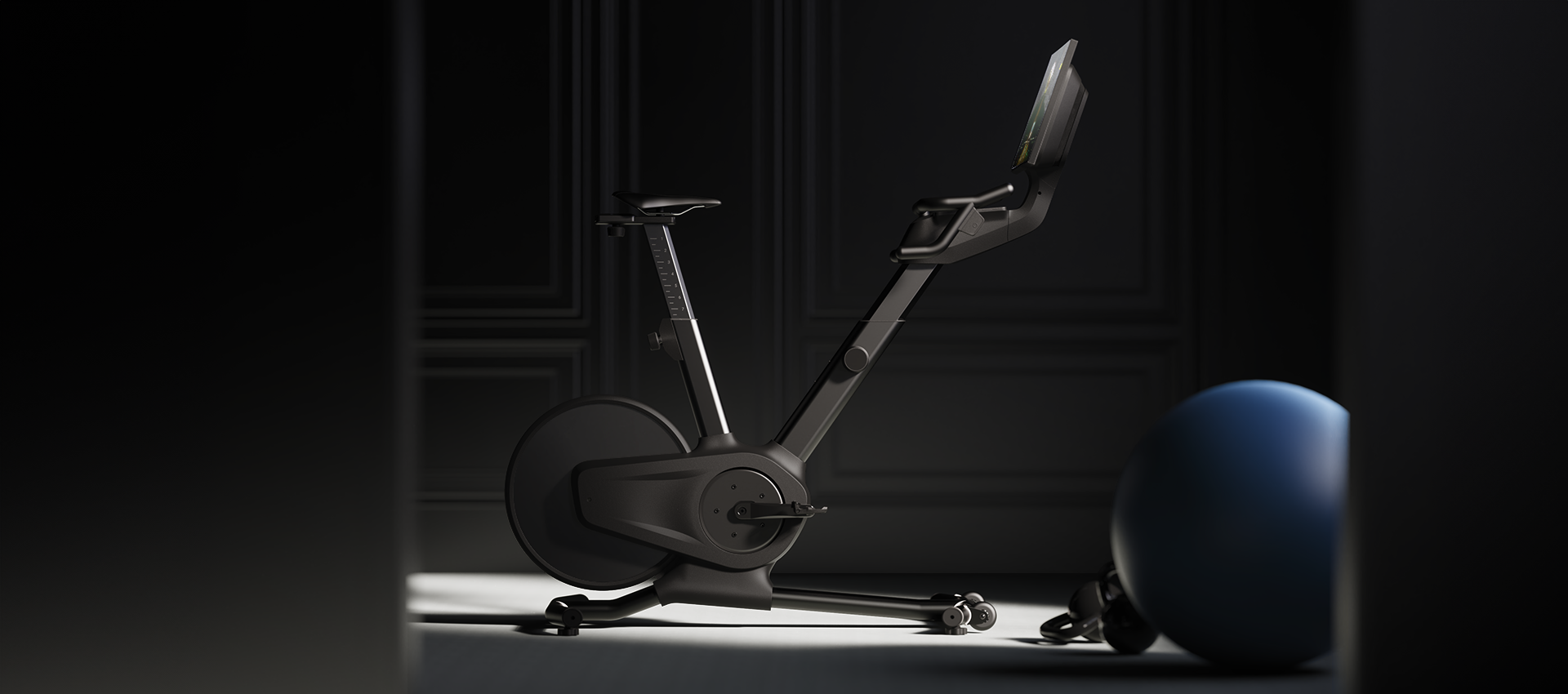
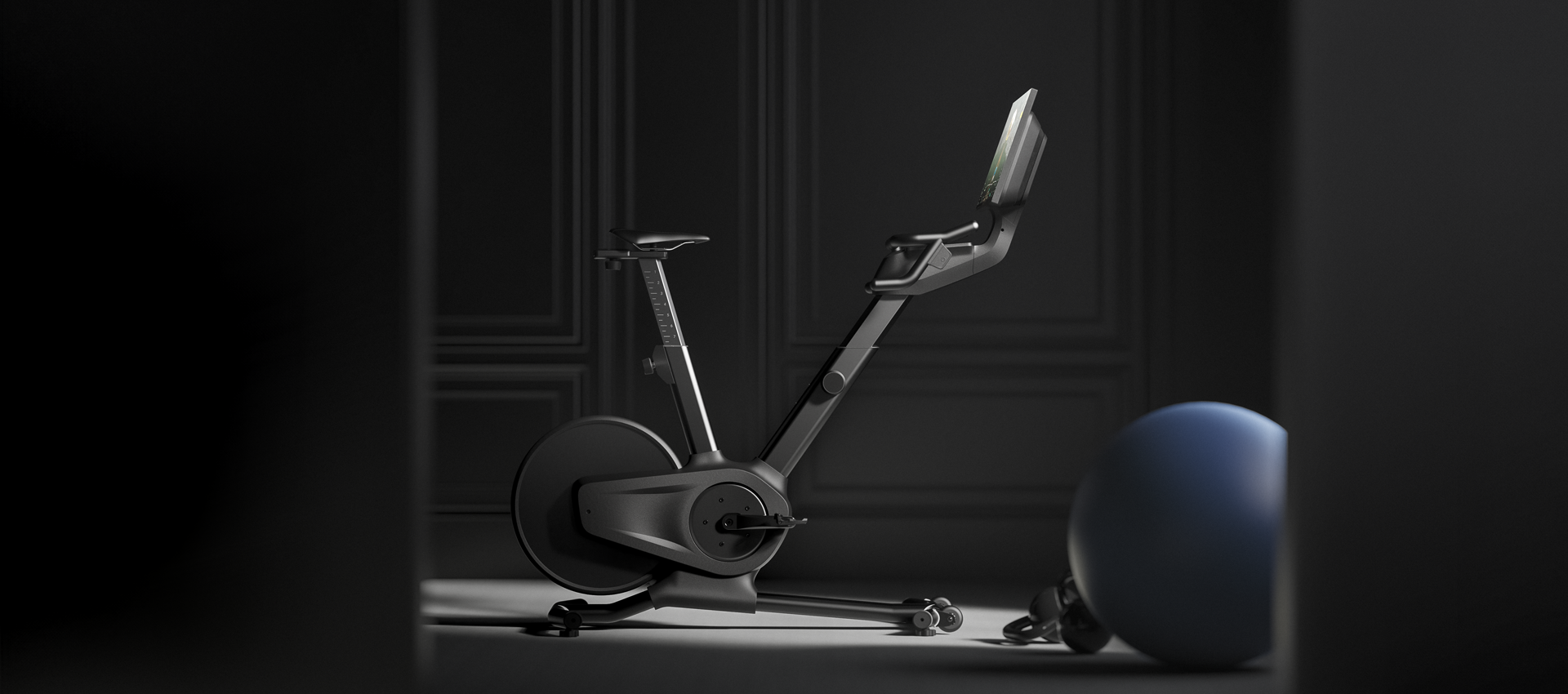
Touch-activated spin bike
A developer of interactive fitness equipment with integrated gaming software needed to develop a new combination spin and exercise bike for the boutique gymnasium and home gym markets.
They wanted to develop a never-before-seen bike that had two distinct modes of operation – spin and exercise bike mode to be housed in one hardware system, operated by a touch screen and supported by their software.
The approach:
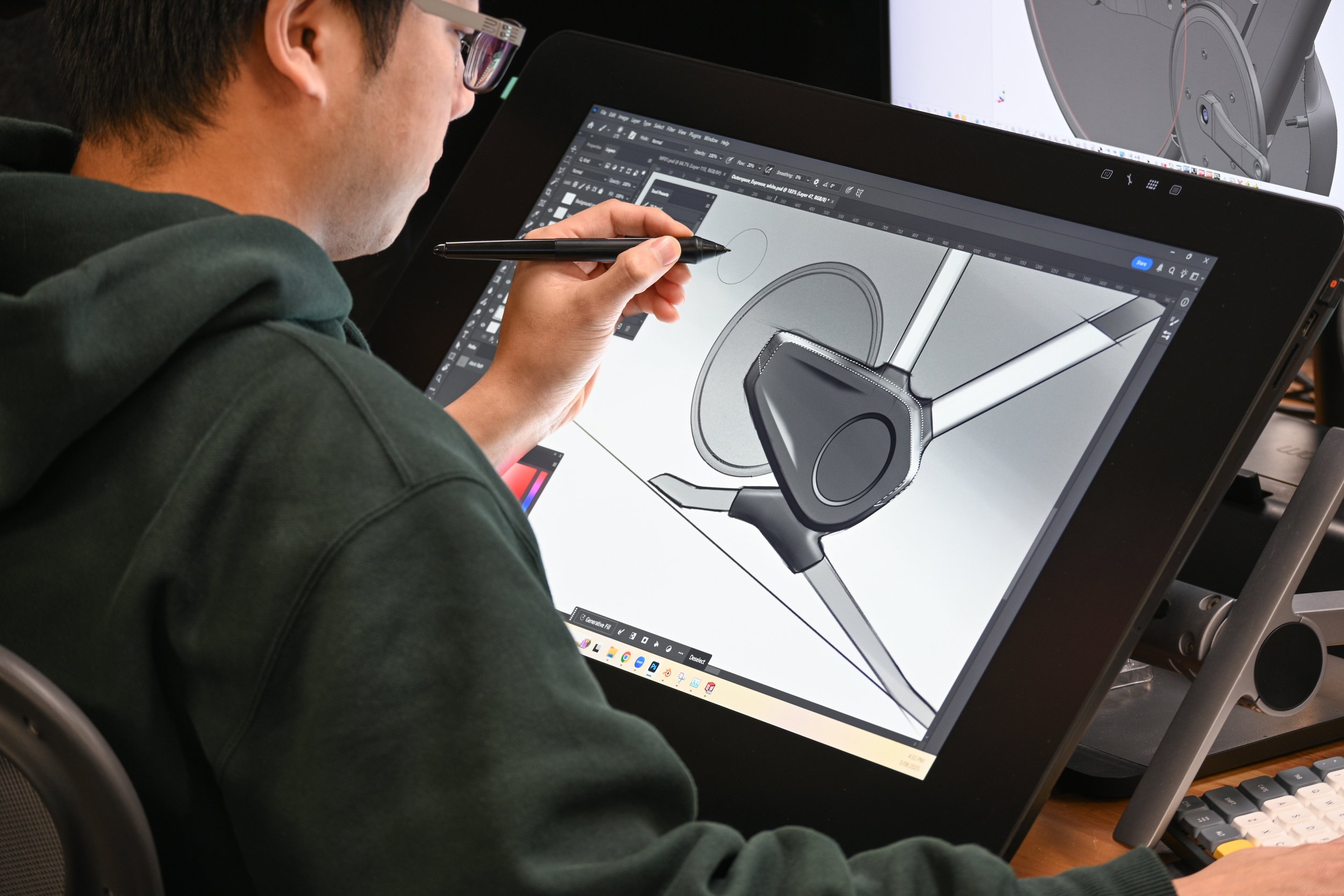
We started the bike system development with a deep dive analysis of the target user and the unique value proposition for the bike. This research gave clarity to our client’s sales and marketing strategy and identified the user requirements for the new bike. We sketched and rendered concepts based on the new bike’s geometry to visualise what the bike could look like and set a visual style.
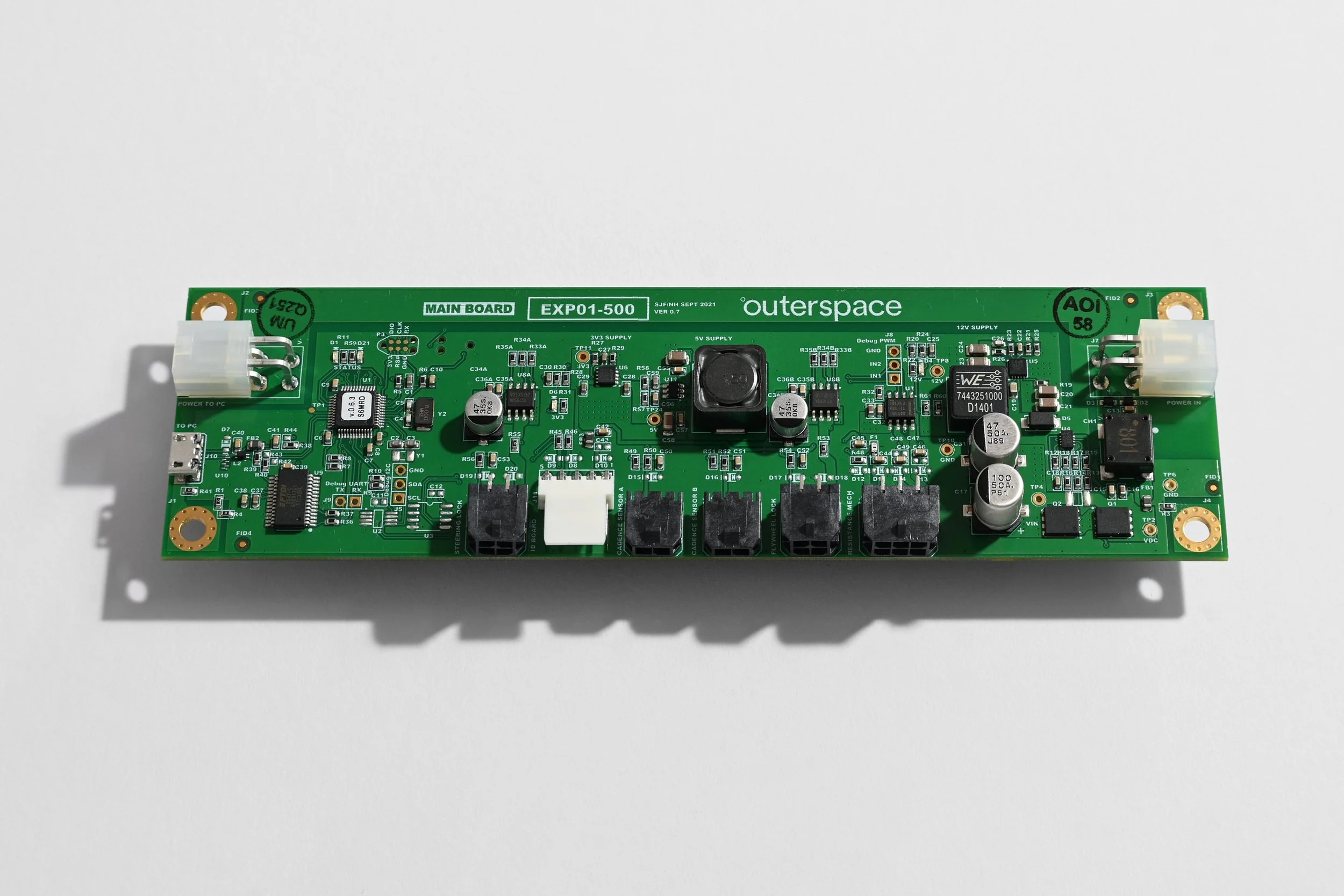
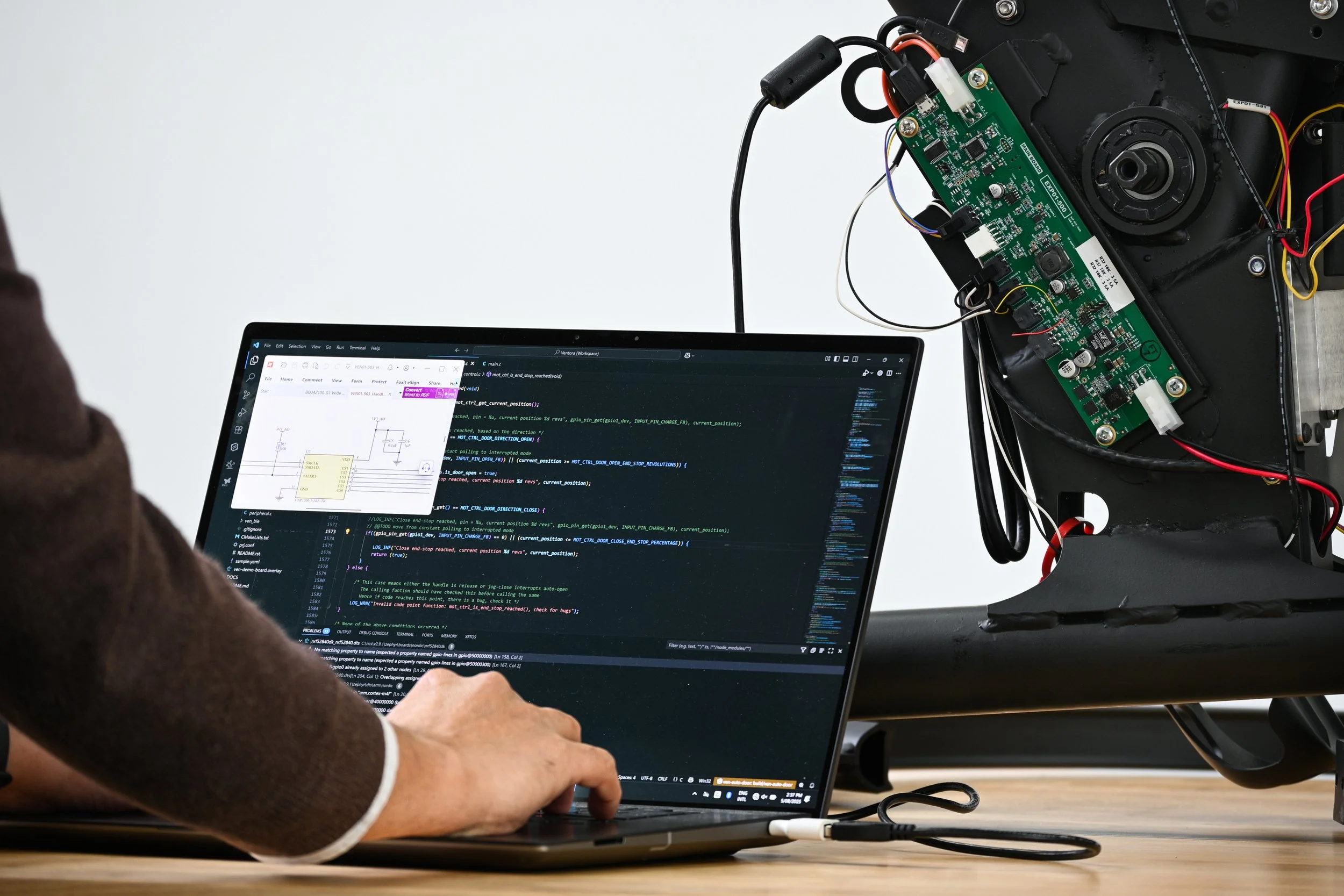
We also developed design concepts for the bike product architecture to meet the touch-controlled, dual-purpose spin and exercise mode requirement. We created an electronic system that talks to our client’s software and controls all of the electro-mechanical systems of the new bike. Our electronics design team created the firmware to interface with the software, which makes the whole system come together and operate smoothly.
The outcome:
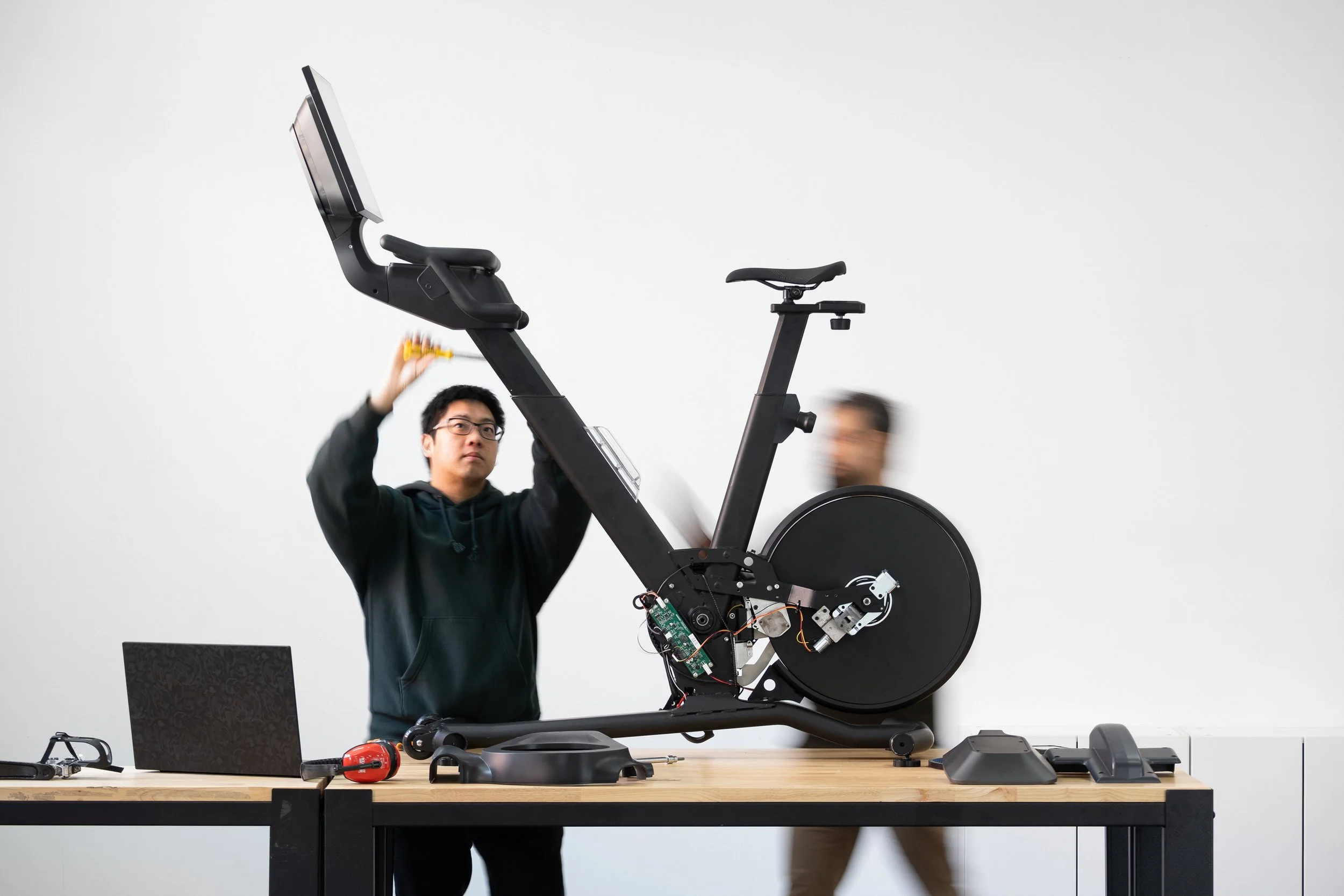
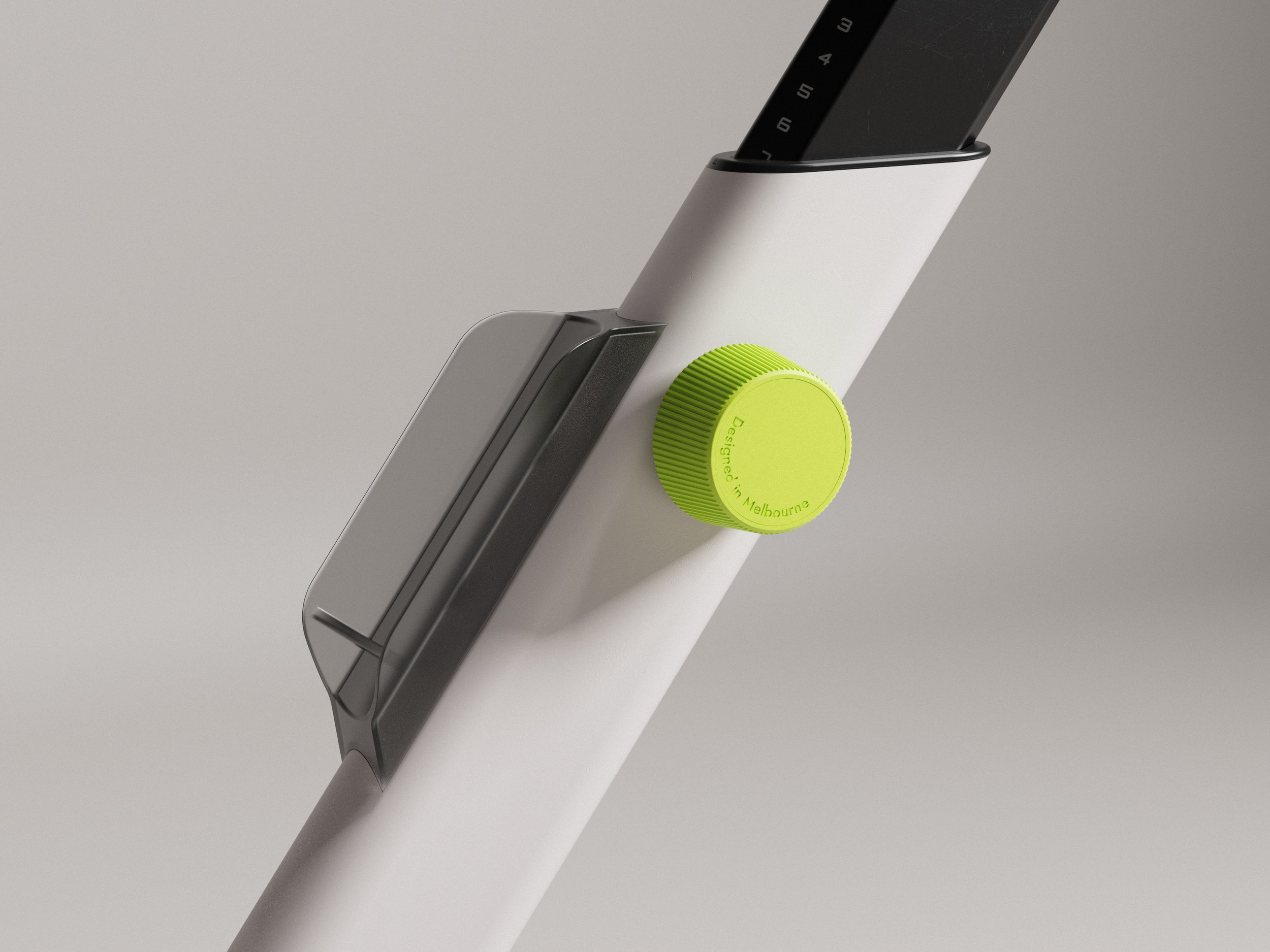
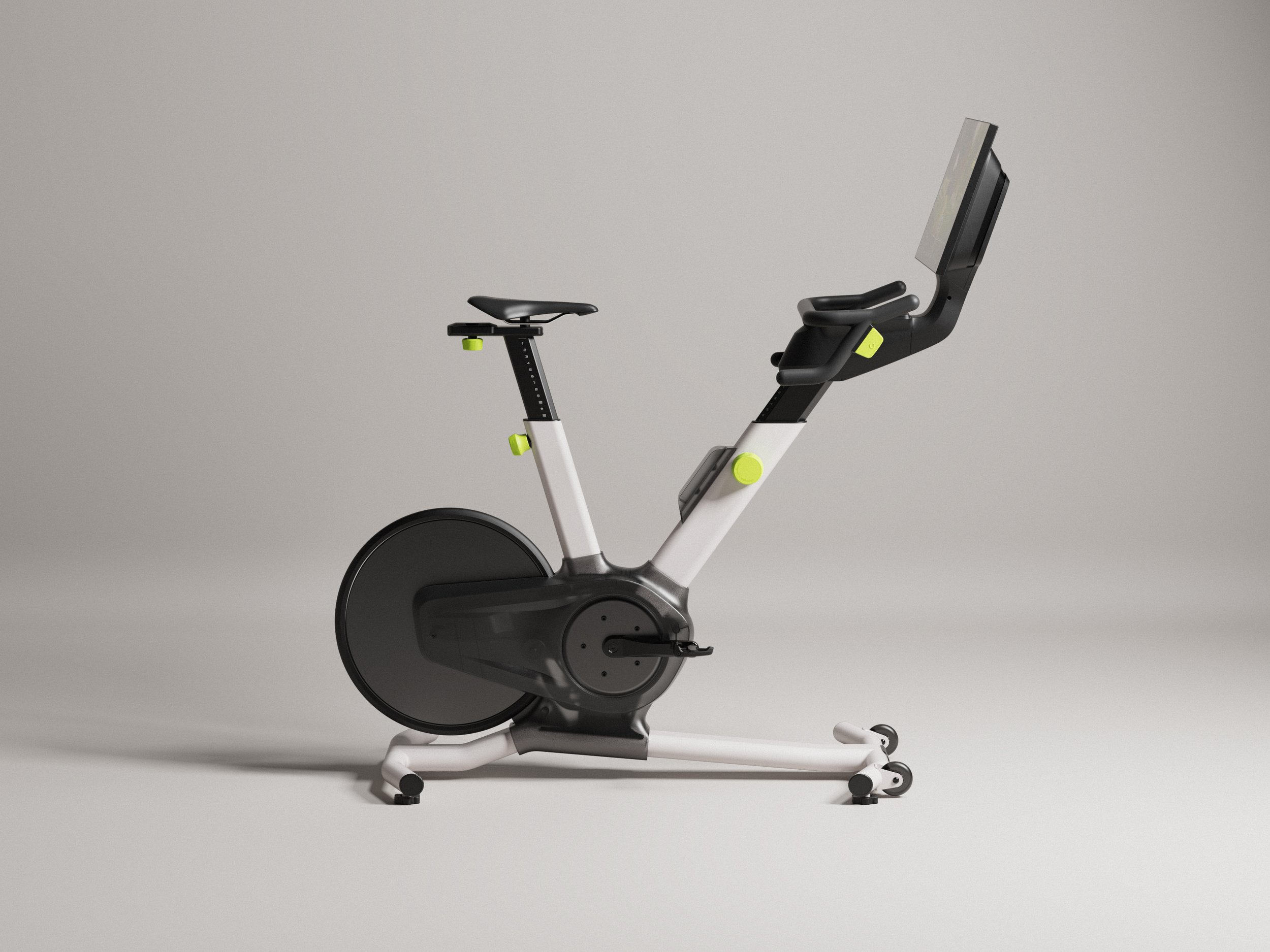
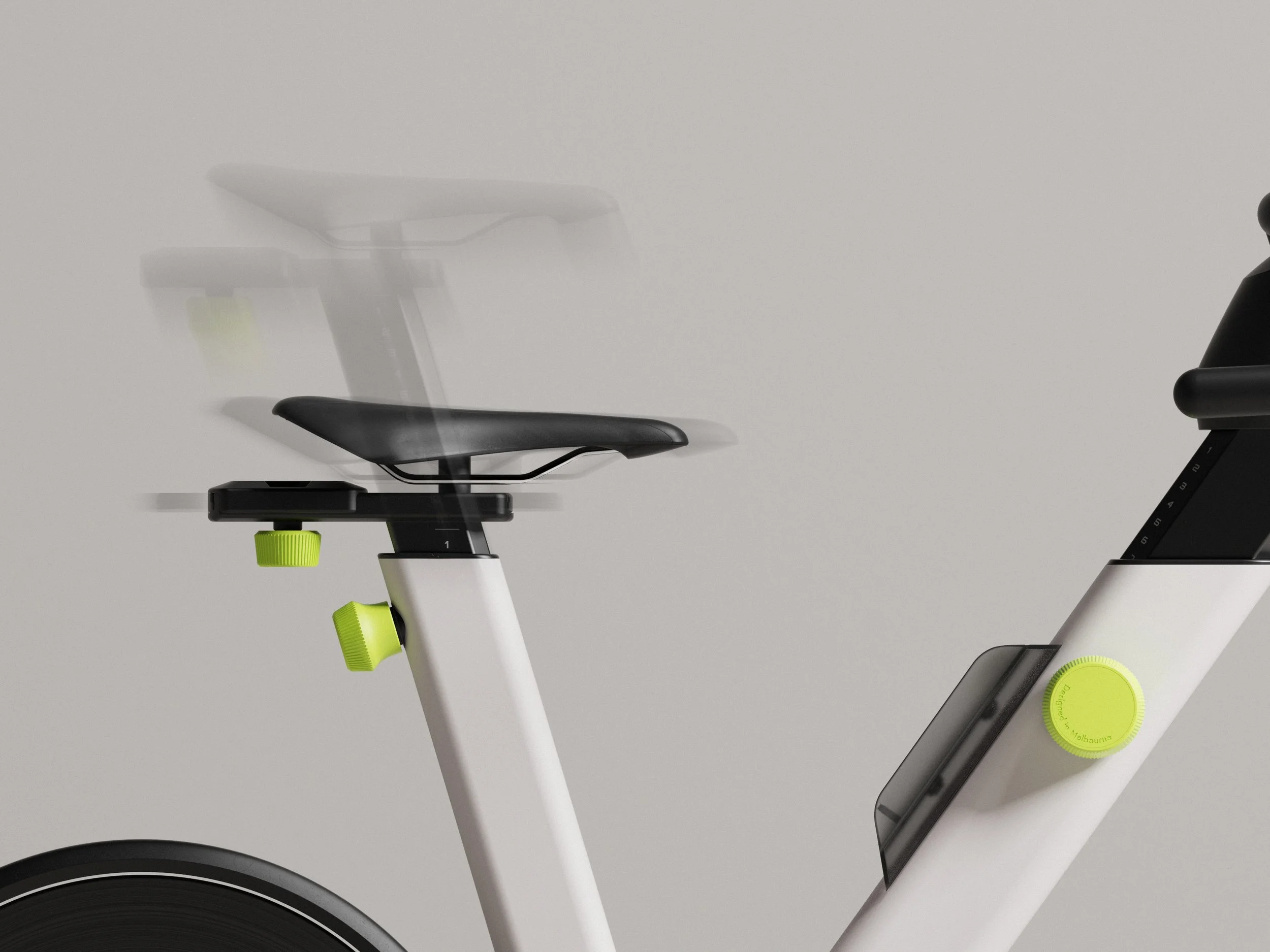
Our team developed the best ergonomic format for the bike, with geometry designed to adapt and fit a broad range of people and meet the needs of all bike users. We created ergonomic studies to calculate the mechanical adjustment ranges required for seat and handlebar positions. After we created the ideal geometry, we built a geometry proof-of-concept rig. This was a very fast build of a minimum viable rig with a highly adjustable steel frame to test the dimensions. User testing was conducted with a wide range of athletes – observing and recording how they rode the bike rigs, adjusting them to a point where they were comfortable cycling in spin bike and exercise bike modes. This crucial feedback narrowed down what adjustment window was needed.
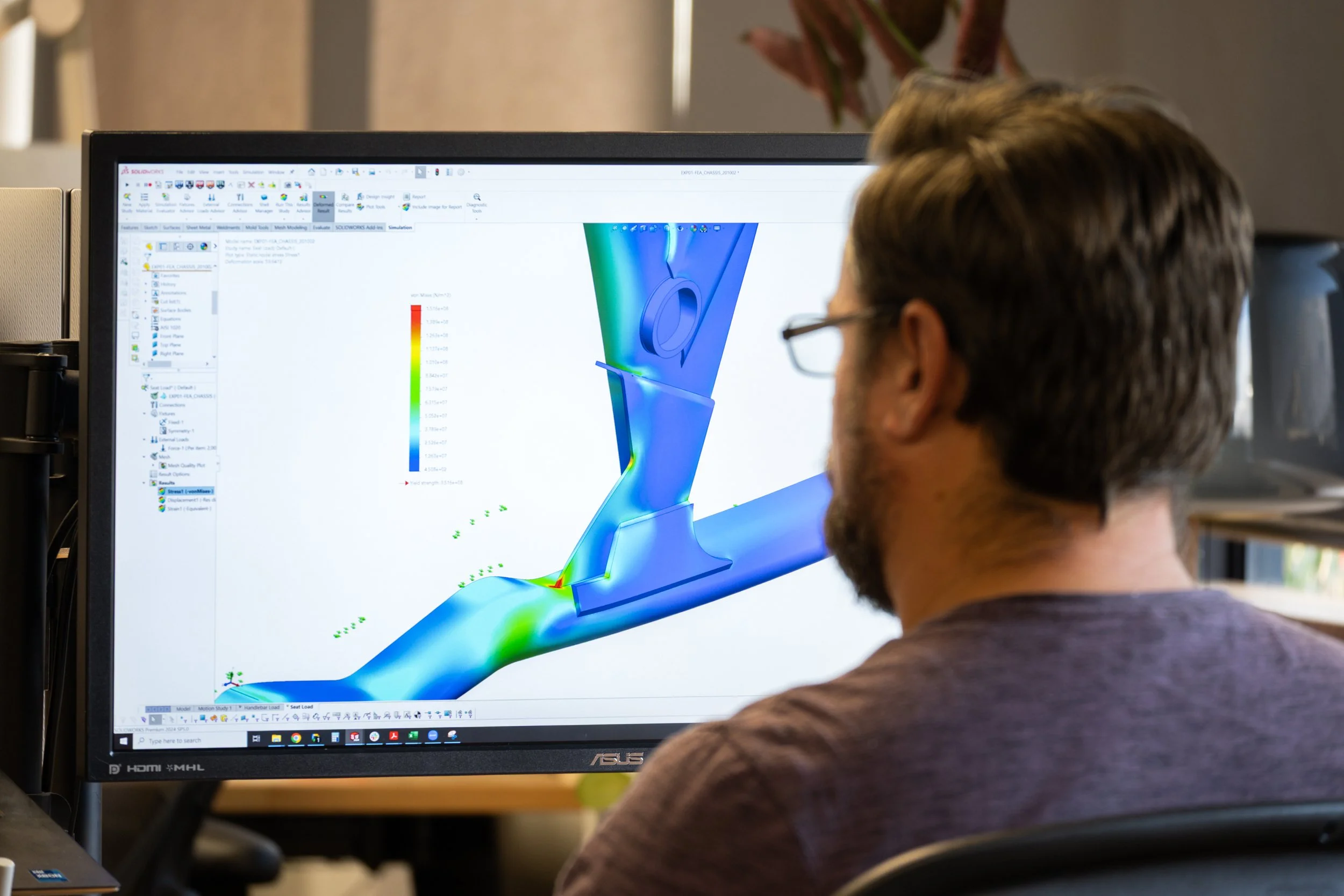
After testing and reviews, we conducted a Design Failure Mode and Effect Analysis. Some high risk sub-systems and components were redesigned to reduce these risks. There was a change to the drive system to improve the performance. The bike design was modified during an iterative development cycle with advanced mechanical modifications and subsystem updates. The design was then updated, and the prototype was re-evaluated. Minor updates were made. The Alpha 2 prototype was then developed and manufactured. The new bike behaves as a spin bike when the flywheel is connected to the pedals, with a fixed connection without steering. With a touch of the screen, the bike changes to touring mode. The freewheel unlocks, and the steering frees up – simulating resistance, riding down a hill, and steering the bike via steering sensors. The athletic bike works for a spin class or as an exercise bike at home or in a gym.